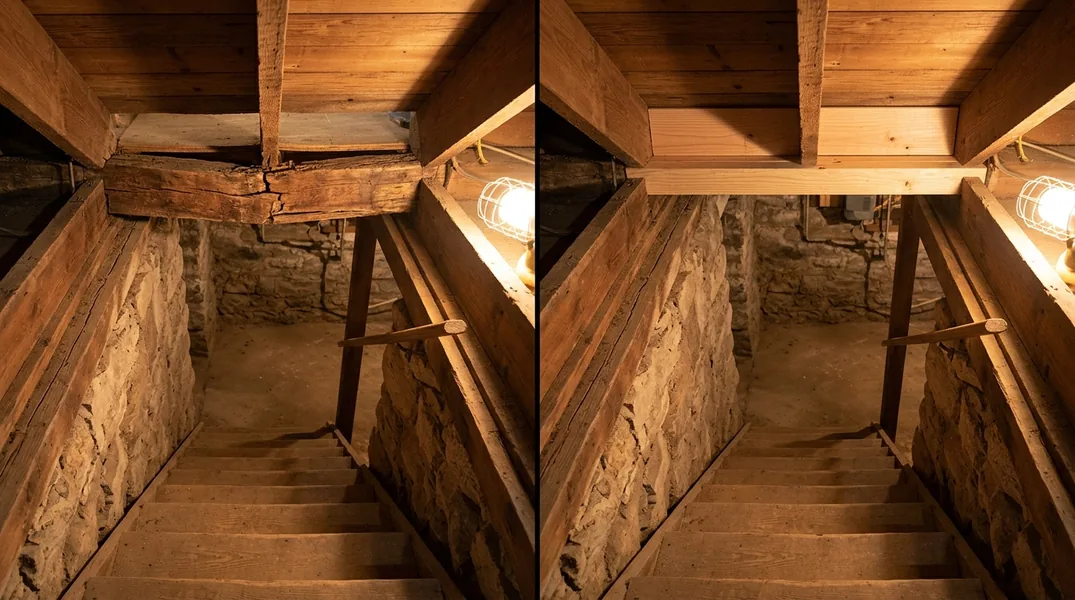
Why Is My Floor Sagging? Common Causes in Older Amarillo Homes
If you own an older home in Amarillo, a sagging floor is more than just an inconvenience, it's a warning sign that something structural needs attention. Over decades, the wooden components holding up your home can deteriorate for several reasons, and understanding what's happening beneath your feet is the first step toward fixing it properly.
The most common culprit behind sagging floors is Wood Rot & Dry Rot Repair damage to the floor joists and support beams. In Amarillo, our climate can be harsh, and moisture infiltration from foundation issues, plumbing leaks, or poor ventilation in crawl spaces causes wood to soften and lose its load-bearing capacity. Dry rot, in particular, can eat away at wood from the inside out, making joists brittle and unable to support the weight of your home. Another frequent cause is Termite Damage Repair needs, as termites tunnel through structural wood and compromise its integrity. Additionally, settling foundations, undersized or damaged support posts, and the simple passage of time can all contribute to floors that slope or feel bouncy underfoot.
Understanding Floor Joist Repair and Sistering Floor Joists
When a floor joist becomes damaged but isn't completely compromised, Floor Joist & Subfloor Repair specialists often use a technique called sistering to restore the floor's strength. Sistering floor joists involves fastening a new, sound piece of lumber alongside the damaged joist, effectively doubling the structural support in that area. This method is cost-effective compared to complete joist replacement and works well when the damage is localized rather than widespread.
The sistering process requires careful assessment and precision. A carpenter must first evaluate how much of the joist is compromised, determine the correct size and grade of sister material, and ensure proper fastening with bolts or nails placed at specific intervals. The sister joist is typically cut to match the length of the damaged section and secured tightly to ensure they work as a single unit. This approach preserves the original structure while adding reinforcement exactly where it's needed. However, sistering is only appropriate for certain damage scenarios, if the joist is severely rotted or structurally unsound throughout its length, complete replacement may be necessary. That's why a professional inspection is critical before deciding on the repair method.
Sagging Floor Repair: What the Process Actually Involves
Repairing a sagging floor is not a simple DIY fix, it requires a systematic approach that addresses both the immediate symptom and the underlying cause. The first step is always a thorough inspection to identify which joists are damaged, whether the subfloor is compromised, and if there are moisture or pest issues that must be resolved first. Without addressing the root cause, whether it's active wood rot, termite infestation, or ongoing moisture problems, any repair will likely fail prematurely.
Once the damage is assessed, the repair strategy depends on severity. Minor sagging caused by a few compromised joists might be addressed through sistering, while more extensive damage could require complete joist replacement or even Beam Replacement & Load-Bearing Wall Removal if support beams are involved. The process involves temporary support structures to safely distribute weight while old joists are removed and new ones installed, or sister joists are added. Subfloor replacement may also be necessary if water damage or rot has compromised the plywood or boards sitting atop the joists. Finally, any moisture sources must be eliminated, whether that means improving crawl space ventilation, repairing plumbing leaks, or addressing foundation drainage issues.
Sagging Floor Repair Cost in Amarillo: What to Budget
The pricing for sagging floor repair varies widely depending on the extent of damage and the repair method needed. Sistering a few joists might cost anywhere from $1,500 to $4,000 per section, while complete joist replacement can run $3,000 to $8,000 or more. If the damage extends to support beams or requires extensive subfloor work, costs can easily exceed $10,000. The size of the affected area, accessibility of the crawl space or basement, and whether additional structural work is needed all factor into the final bill.
It's important to understand that sagging floor repair is not an area where you should seek the cheapest quote. Structural work requires expertise, proper materials, and adherence to building codes. A suspiciously low estimate might indicate that a contractor plans to cut corners or use inferior materials, which could leave your home unsafe or require repairs again in a few years. Instead, invest in a detailed inspection and honest assessment from a qualified professional. Amarillo Carpentry can provide a free estimate after inspecting your specific situation, so you'll know exactly what needs to be done and what it will cost before work begins.
When to Call a Professional: Signs Your Floor Needs Immediate Attention
Not every slightly uneven floor requires emergency repair, but certain signs indicate you should contact a professional right away. If you notice a sudden change in how your floor feels, visible sagging that's getting worse, or soft spots where wood feels spongy, these are red flags. Cracks appearing in drywall, doors that no longer close properly, or a musty smell in crawl spaces or basements also suggest structural issues related to moisture and wood damage. If you see visible mold, signs of termite activity, or water stains on joists, the situation is urgent.
The longer you wait to address structural damage, the more expensive repairs become. What might have been a manageable sistering job can evolve into a complete joist replacement if rot spreads unchecked. Additionally, living in a home with compromised structural integrity poses safety risks to your family. If you're concerned about your floors, don't hesitate to reach out. Call Amarillo Carpentry at (806) 484-0557 for a professional evaluation, or request a free estimate online. Our team has years of experience identifying and fixing sagging floors in older homes throughout the region.
Preventing Future Floor Problems: Maintenance Tips for Homeowners
Prevention is always better than repair, and maintaining your home's structural integrity starts with managing moisture. Ensure your gutters and downspouts direct water away from your foundation, maintain proper grading around your home so water doesn't pool near the house, and keep crawl spaces or basements well-ventilated. If you have a basement, use a dehumidifier during humid months, and address any plumbing leaks immediately rather than letting them sit. Regular inspections of your crawl space or basement, even once a year, can catch early signs of moisture, rot, or pest damage before they become major problems.
For older homes in Amarillo, it's also wise to have a structural inspection every five to ten years, particularly if you've noticed any unusual settling or movement. A professional can identify weak points, assess the condition of joists and beams, and recommend preventive measures. By staying proactive about maintenance and catching issues early, you can avoid the significant expense and disruption of major floor repairs down the road. If you're unsure about the condition of your home's structure, contact Amarillo Carpentry today at (806) 484-0557 to schedule a professional assessment.
Looking for a professional carpentry contractor in Amarillo? Amarillo Carpentry responds fast for all your carpentry needs.
Get a Free QuoteOur services: Wood Rot & Dry Rot Repair · Termite Damage Repair · Floor Joist & Subfloor Repair