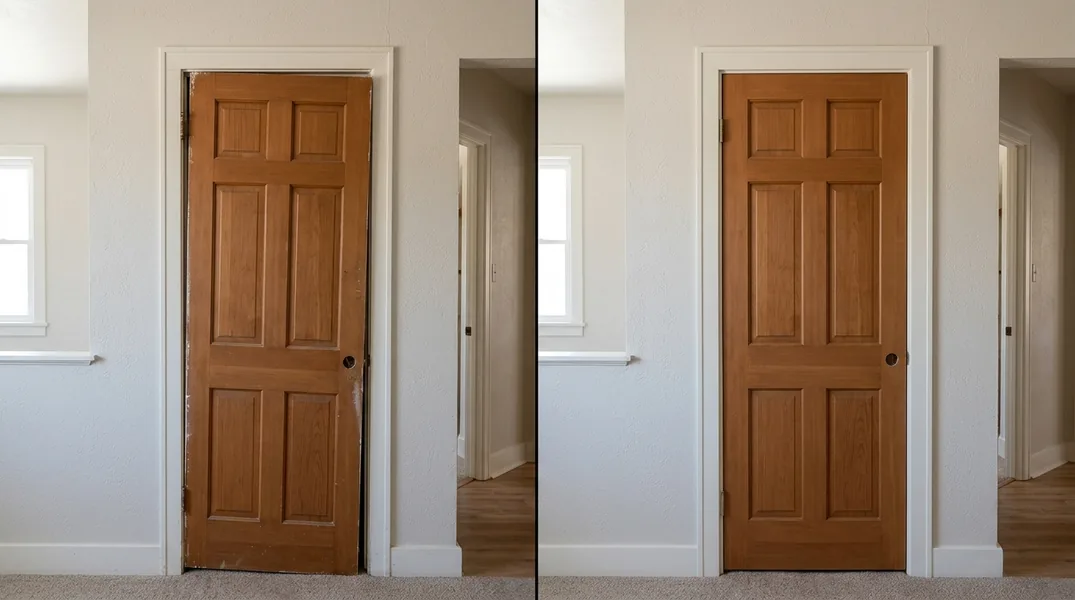
Understanding Hail Damage and Sun Damage to Wood
Hail damage and sun damage are two of the most common wood problems we see in Amarillo homes. While they look different and require different repair approaches, both can compromise the structural integrity and appearance of your siding, trim, fascia, and roofing materials if left untreated.
Hail damage typically appears as dents, dings, or gouges in wood surfaces. When a hailstorm passes through Amarillo, the impact can create indentations that range from barely noticeable to severe. The real concern isn't always the cosmetic damage, but rather how those impacts compromise the wood's protective outer layer. Once the finish is broken, water can seep into the wood grain, leading to rot, mold growth, and eventual structural failure if moisture penetrates deep enough.
Sun damage, by contrast, develops gradually over time. The intense Texas sun causes wood to fade, crack, split, and become brittle. UV rays break down the wood fibers and any protective stain or paint coating. This creates checking (surface cracks) and more serious splits that can run deep into the wood. Unlike hail damage, which happens instantly, sun damage is a slow process that accelerates when wood isn't properly sealed or maintained.
When You Can Repair Rotted Wood Without Replacing It
The good news is that not all wood damage requires a full replacement. In many cases, you can repair rotted wood without replacing it entirely, saving time and money. The key is catching the damage early and assessing how deep it goes.
Surface-level damage, such as shallow dents from hail or minor checking from sun exposure, can often be repaired using wood filler, epoxy, or patching compounds. If the damage is confined to the outer inch or so of wood, and the structural core remains solid, a skilled carpenter can fill the damaged area, sand it smooth, and refinish it to match the surrounding surface. This approach works particularly well for decorative trim, fascia boards, and siding that hasn't been compromised all the way through.
Wood Rot & Dry Rot Repair becomes more viable when rot is caught in its early stages. If you notice soft spots, discoloration, or a musty smell but the damage hasn't spread extensively, a professional can often remove just the affected section, treat it with fungicide, and reinforce it with new wood or epoxy. This targeted approach preserves most of the original material while eliminating the threat.
However, there's an important caveat: if you can easily push a screwdriver or awl into the wood more than a quarter inch, or if the rot has spread across a large area, repair becomes risky. Structural components like beams, joists, or load-bearing walls require replacement if they're significantly compromised, as repairs may not restore full strength.
Hail Damaged Wood Repair: What Homeowners Need to Know
Hail damage to wood is particularly common in the Texas Panhandle, and many homeowners wonder whether they should file an insurance claim or handle repairs themselves. The answer depends on the extent of the damage and whether your homeowner's insurance covers it.
For minor hail damage (small dents that don't break the wood's surface), cosmetic repair using wood filler or touch-up stain may be sufficient. However, if hail has cracked, splintered, or created openings in the wood, moisture infiltration becomes a serious risk. Water can enter those cracks and cause rot to develop within weeks or months, especially in Amarillo's climate where we experience temperature swings and occasional heavy rain.
The best approach after a hailstorm is to have a professional inspection. A qualified carpenter can determine whether damage is purely cosmetic or if it poses a long-term risk. If hail has damaged roofing, siding, or fascia boards, addressing it promptly prevents secondary damage like rot, mold, or insect infestation. Many insurance policies cover hail damage, so it's worth checking your policy and getting a free estimate from a local contractor who can document the damage for your claim.
Sun Damaged Wood Repair: Restoration and Prevention Strategies
Sun damage develops insidiously because homeowners often don't notice it until the problem is advanced. The intense UV rays in the Texas Panhandle are relentless, and wood exposed to full sun without protection will deteriorate faster than you might expect. Checking and cracking are the first visible signs, followed by splintering, color fading, and eventually rot if moisture combines with the UV damage.
Fortunately, sun damaged wood repair is often straightforward if caught early. Minor checks and surface cracks can be filled with wood filler or flexible caulk designed for exterior use. For more significant splitting, a carpenter may need to remove damaged sections and splice in new wood, then seal everything with a high-quality exterior stain or paint. The key is choosing products with UV protection and reapplying them every three to five years to prevent recurrence.
Prevention is always better than repair. If you're building new or replacing damaged wood, consider using naturally rot-resistant species like cedar or composite materials that don't require the same maintenance. For existing wood, apply a quality exterior finish with UV blockers, keep gutters clean so water doesn't pool against the wood, and ensure proper ventilation behind siding. Shade structures, awnings, or strategic landscaping can also reduce direct sun exposure on vulnerable surfaces.
Wood Repair Cost in Amarillo: What to Budget
Understanding pricing for wood repairs helps you make informed decisions about repair versus replacement. The cost varies significantly based on the type of damage, the extent of repairs needed, and the materials involved.
Surface repairs like filling dents or small cracks might cost $100 to $300 per affected area, depending on the size and accessibility. More involved repairs, such as replacing a rotted section of fascia or repairing damaged siding, typically range from $300 to $1,000 or more. If structural components like floor joists or beams are involved, costs increase substantially because the work is more complex and requires precise engineering to ensure safety. Floor Joist & Subfloor Repair projects, for example, often cost $1,500 to $5,000 or more depending on the scope.
Full replacement of damaged sections is sometimes more cost-effective than extensive repairs, particularly if the wood is old or if multiple areas are affected. A single board might cost $50 to $200 to replace, while a larger structural repair could cost several thousand dollars. The best way to understand your specific costs is to request a free estimate from a local carpenter who can evaluate your situation in detail. Most reputable companies, including Amarillo Carpentry, provide free inspections and written estimates so you know exactly what to expect before work begins.
Don't let cost concerns prevent you from addressing damage promptly. Delaying repairs often leads to more extensive (and expensive) problems later. A $400 repair today can prevent a $3,000 replacement next year if rot spreads unchecked.
When Full Replacement Is the Better Choice
Sometimes repair simply isn't the answer, and full replacement is the safer, more economical option. If wood has extensive rot that affects more than 30 percent of a board's thickness, or if rot has spread across multiple areas, repair is unlikely to restore full structural integrity. Similarly, if hail or sun damage has compromised a large section of siding or roofing, replacing that section often makes more sense than attempting a patchwork repair.
Load-bearing components like beams or structural walls require special consideration. If these elements are significantly damaged, Beam Replacement & Load-Bearing Wall Removal may be necessary to ensure your home's safety. A compromised beam can lead to sagging floors, cracking drywall, or even structural failure if not addressed properly. In these cases, replacement by a qualified professional is not optional but essential.
Aesthetic factors also play a role. If repaired wood will look noticeably different from surrounding areas, or if the damage is in a highly visible location, replacement might be worth the extra cost for a uniform appearance. Modern materials and finishes can match existing wood closely, making replacement a practical choice for exterior trim or decorative elements.
Getting Professional Help in Amarillo: Next Steps
If you're facing hail-damaged or sun-cracked wood, the best first step is a professional inspection. A qualified carpenter can assess the damage, determine whether repair or replacement is appropriate, and provide an honest recommendation based on your specific situation and budget.
Amarillo Carpentry specializes in wood damage assessment and repair for homeowners throughout Amarillo and the surrounding area. Whether you're dealing with hail damage, sun damage, or early-stage rot, we can help you understand your options and move forward with confidence. Call us at (806) 484-0557 or visit our website to schedule your free estimate. We'll provide a detailed assessment, honest advice, and a clear path to restoring your wood to safe, beautiful condition.
Don't wait for small damage to become a major problem. The sooner you address wood damage, the more options you'll have and the less you'll spend in the long run.
Looking for a professional carpentry contractor in Amarillo? Amarillo Carpentry responds fast for all your carpentry needs.
Get a Free QuoteOur services: Wood Rot & Dry Rot Repair · Termite Damage Repair · Floor Joist & Subfloor Repair