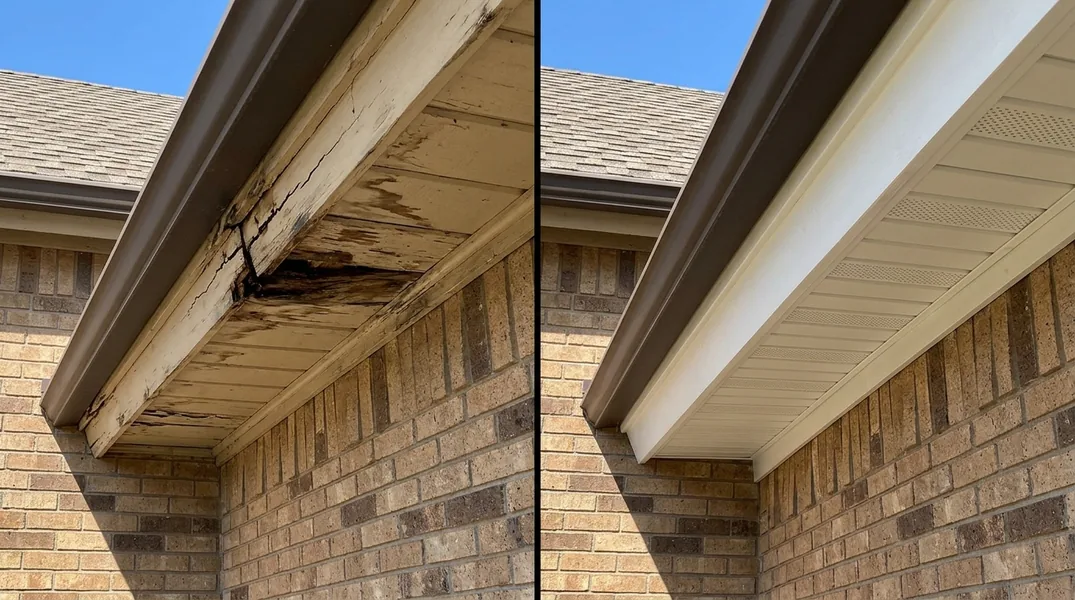
Understanding Wolflin and Plemons-Eakle Homes in Amarillo
If you own one of Amarillo's iconic Wolflin or Plemons-Eakle homes, you're steward of a piece of local history. These neighborhoods feature distinctive Tudor Revival and period architecture that defined early 20th-century residential development in the Texas Panhandle. The craftsmanship is genuine, but the materials and construction methods used decades ago require a different maintenance approach than modern homes.
Wolflin and Plemons-Eakle properties typically showcase exposed wood beams, decorative half-timbering, wooden window frames, and ornamental trim that are both beautiful and vulnerable. The wood in these homes was often selected for aesthetics and availability rather than rot resistance, and many original elements have been exposed to the region's harsh weather for nearly a century. Understanding what makes these homes special is the first step toward protecting your investment and preserving their character for future owners.
Why Historic Wood Trim Requires Different Care
Amarillo's climate presents unique challenges for historic wood. The Panhandle experiences significant temperature swings, low humidity, intense UV exposure, and occasional heavy moisture events. This combination creates ideal conditions for wood degradation. Unlike newer homes with pressure-treated lumber and modern sealants, the original wood trim in Wolflin and Plemons-Eakle homes lacks these protections and can deteriorate rapidly if not properly maintained.
Many homeowners make the mistake of treating historic wood trim repair the same way they would handle modern carpentry. Historic homes often require period-appropriate materials and techniques that preserve authenticity while providing protection. This means understanding the difference between cosmetic deterioration and structural damage, knowing when to repair versus replace, and recognizing when professional intervention is necessary. Ignoring early signs of decay can lead to expensive problems involving Floor Joist & Subfloor Repair or even structural concerns that compromise your home's integrity.
Wood Rot & Dry Rot Repair Near Me: When to Call a Professional
The distinction between wet rot and dry rot matters significantly in historic homes. Wet rot occurs when wood is exposed to moisture and develops a soft, spongy texture. Dry rot, despite its name, also requires moisture to develop but creates a brittle, crumbly wood that can collapse without warning. Both conditions are common in older homes where original caulking has failed, roof flashing is compromised, or foundation moisture has crept upward through walls. If you notice soft spots in window frames, crumbling wood trim, or a musty smell near wooden elements, these are red flags requiring immediate attention.
Wood Rot & Dry Rot Repair in historic homes demands expertise beyond standard carpentry. The repair process must address not just the visible decay but also the underlying moisture source. Professionals like those at Amarillo Carpentry can assess whether damage is superficial or has penetrated structural elements, and they understand how to make repairs that blend with original materials and methods. Attempting DIY repairs on historic wood trim often results in mismatched patches, improper fastening, or failure to address moisture sources, leading to recurrence within a few years.
Moisture Control: The Foundation of Historic Home Maintenance
Moisture is the enemy of wood, and historic homes are particularly vulnerable because their original construction predates modern moisture barriers and ventilation systems. Gutters and downspouts that don't properly direct water away from the foundation create conditions for rising damp. Poorly maintained caulking around windows and doors allows water infiltration. Inadequate attic ventilation traps humid air that condenses on wood framing. Crawlspace moisture wicks upward through floor joists. Each of these issues can initiate wood decay that spreads silently behind walls and beneath floors before becoming visible.
Effective moisture management in Wolflin and Plemons-Eakle homes starts with regular inspection and maintenance of exterior elements. Check gutters and downspouts seasonally, ensuring they're clear and functioning properly. Inspect caulking around all windows and doors, resealing as needed with period-appropriate materials. Ensure basement and crawlspace areas have adequate drainage and ventilation. Consider having a professional moisture assessment performed if you notice any signs of dampness or musty odors. Addressing moisture issues early prevents the cascade of problems that leads to expensive structural repairs and potential Termite Damage Repair costs.
Seasonal Maintenance Checklist for Historic Homes
Creating a seasonal maintenance routine protects your historic home's wood elements and catches problems before they become serious. In spring, after winter weather has passed, inspect all exterior wood trim, window frames, and siding for damage or failed caulking. Check roof condition and flashing around chimneys and valleys. Summer is the time to address any repairs identified in spring, as weather conditions are ideal for caulking, staining, and painting. Fall requires clearing gutters and downspouts of leaves and debris, inspecting foundation areas for moisture issues, and ensuring all exterior wood is properly sealed before winter weather arrives.
Winter maintenance is largely preventive, but it's important to monitor your home during freeze-thaw cycles when moisture can penetrate small cracks and cause damage. Keep gutters clear of ice dams that force water under roofing and into walls. After heavy snow or rain, check basement and crawlspace areas for moisture. Spring is also an ideal time to schedule professional inspections with specialists who understand historic construction. If you've noticed any changes in how doors or windows operate, visible cracks in wood trim, or soft spots when you press on wooden elements, don't wait until next season to investigate. Contact Amarillo Carpentry at (806) 484-0557 or request a free estimate to have a professional assess the situation.
Historic Home Repair Cost in Amarillo: What to Budget
Understanding repair costs helps you prioritize maintenance and plan financially for your historic home. Minor wood trim repairs, such as filling small soft spots or resealing caulking, typically fall in the lower cost range. Moderate repairs, such as replacing sections of rotted trim or repairing window frames, involve more labor and materials but remain manageable expenses. Major repairs, such as addressing structural rot in floor joists, replacing significant portions of exterior trim, or addressing Beam Replacement & Load-Bearing Wall Removal issues, represent substantial investments but are necessary to preserve your home's integrity and safety.
The best approach to budgeting is preventive maintenance, which costs far less than addressing advanced decay. Regular inspections, prompt sealing of moisture sources, and timely repairs of small problems prevent the exponential cost growth that occurs when damage spreads. Professional pricing for historic home work varies based on the extent of damage, materials required, and complexity of the repair. Rather than guessing at costs, contact Amarillo Carpentry for a detailed assessment. The team understands historic construction and can provide accurate estimates that help you understand what needs immediate attention versus what can be scheduled for future work. Call (806) 484-0557 today to discuss your home's specific needs and get a clear picture of your repair options.
Looking for a professional carpentry contractor in Amarillo? Amarillo Carpentry responds fast for all your carpentry needs.
Get a Free QuoteOur services: Wood Rot & Dry Rot Repair · Termite Damage Repair · Floor Joist & Subfloor Repair